


Key Points
- Early spring work from late March through April clears winter debris.
- Fall property care in October and November prepares turf for cold weather.
- Proper care stops mold, pests, and lawn diseases before the freeze.
- Clear soil helps grass roots absorb air, sunlight, and rain.
- Regular local care keeps residential property values high.
Fairfield County weather brings four full seasons each year. Cold winters leave heavy sticks and packed soil across your property. Summer heat stresses root systems. Fall weather covers the turf with thick piles of leaves. You need proper schedule plans so your grass stays green. Proper care for yard clean-up in Stamford keeps your grass strong throughout the entire year.
Many people wonder when to book property care visits. You gain the best results when you match your schedule with local weather shifts. Early spring work removes heavy winter mess before growth begins. Late fall work clears turf before winter snow arrives. Let’s learn in detail!
Spring Property Care Window (Late March to Early May)
Spring arrives in Fairfield County around late March. Winter storms leave broken tree branches on your lawn. Wet snow packs dead leaves down against grass blades. You must clear this layer before warm weather arrives.
Late March through early May offers the ideal time for spring work. Soil warms up when sun rays hit bare earth, and grass roots awaken from winter sleep during these weeks. If dead debris covers your turf, sunlight cannot reach the soil. Grass turns yellow without light. Mold grows under wet leaf layers. You protect your soil when you book early spring visits.
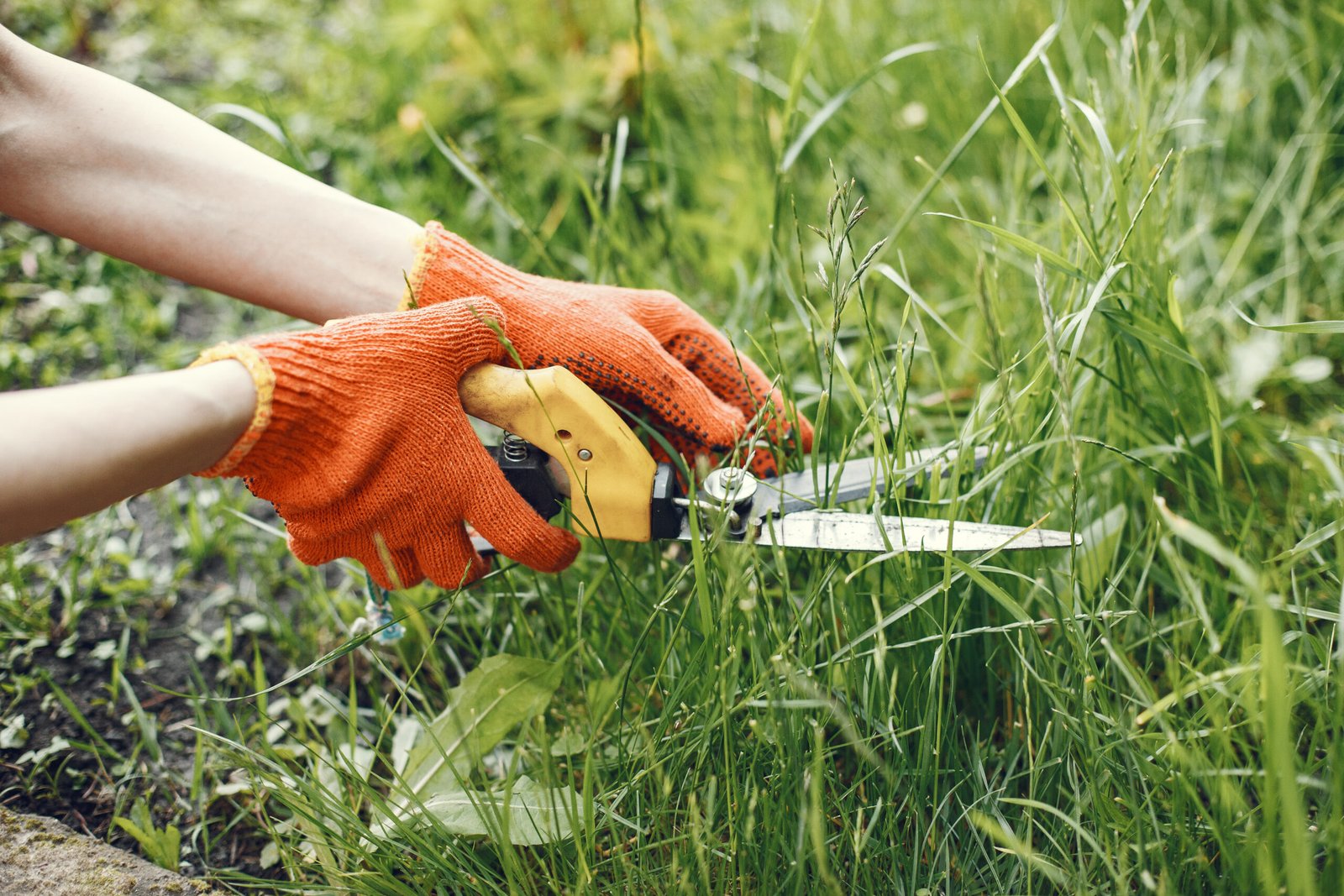
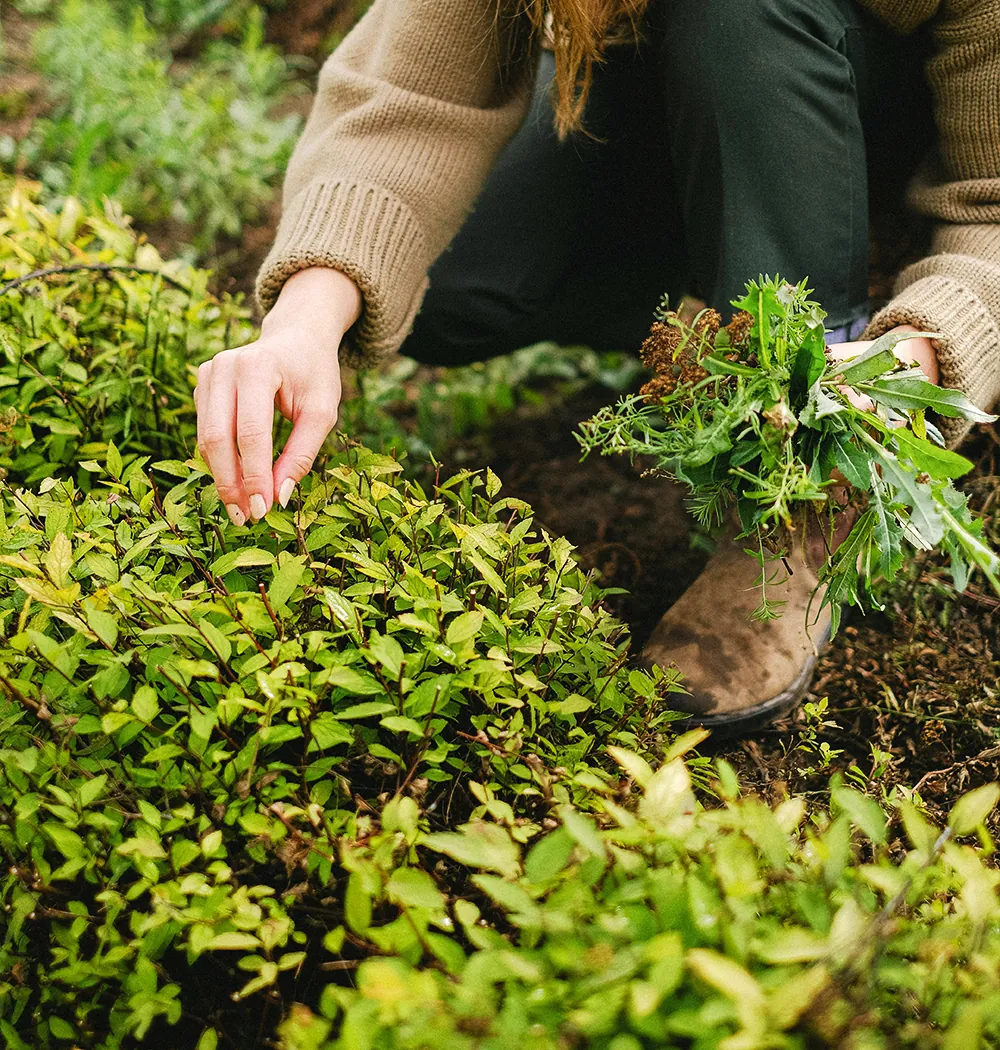
Spring work cleans out flower beds and garden borders. Workers pick up fallen twigs and heavy branch pieces. Crews rake away thick thatch layers to let soil breathe. People see better grass growth when the soil receives fresh air and water. Spring preparation sets your property up for success all summer long.
Important Tasks During Spring Visits
Spring visits require specific steps to rebuild lawn health. First, workers collect fallen limbs from winter storms. Second, crews pull dead plant material out of flower beds. Third, technicians rake turf to loosen soil structure.
Aeration also helps loosen tight spring soil. Heavy snow packs clay earth down tight. Core aeration pulls small soil plugs out of the ground surface. Water reaches deep root lines through these new holes. You get stronger grass when roots expand into soft soil.
Pre-emergent treatments stop crabgrass seeds before germination. Crabgrass seeds wake up when the soil temperature reaches fifty-five degrees. Late April applications block these weed seeds completely.
Summer Yard Maintenance Between Clean-Ups
Summer heat presents tough challenges for Connecticut turf. High temperatures dry out topsoil layers fast. Strong sun burns short grass blades, so you must adjust your property routine during July and August.
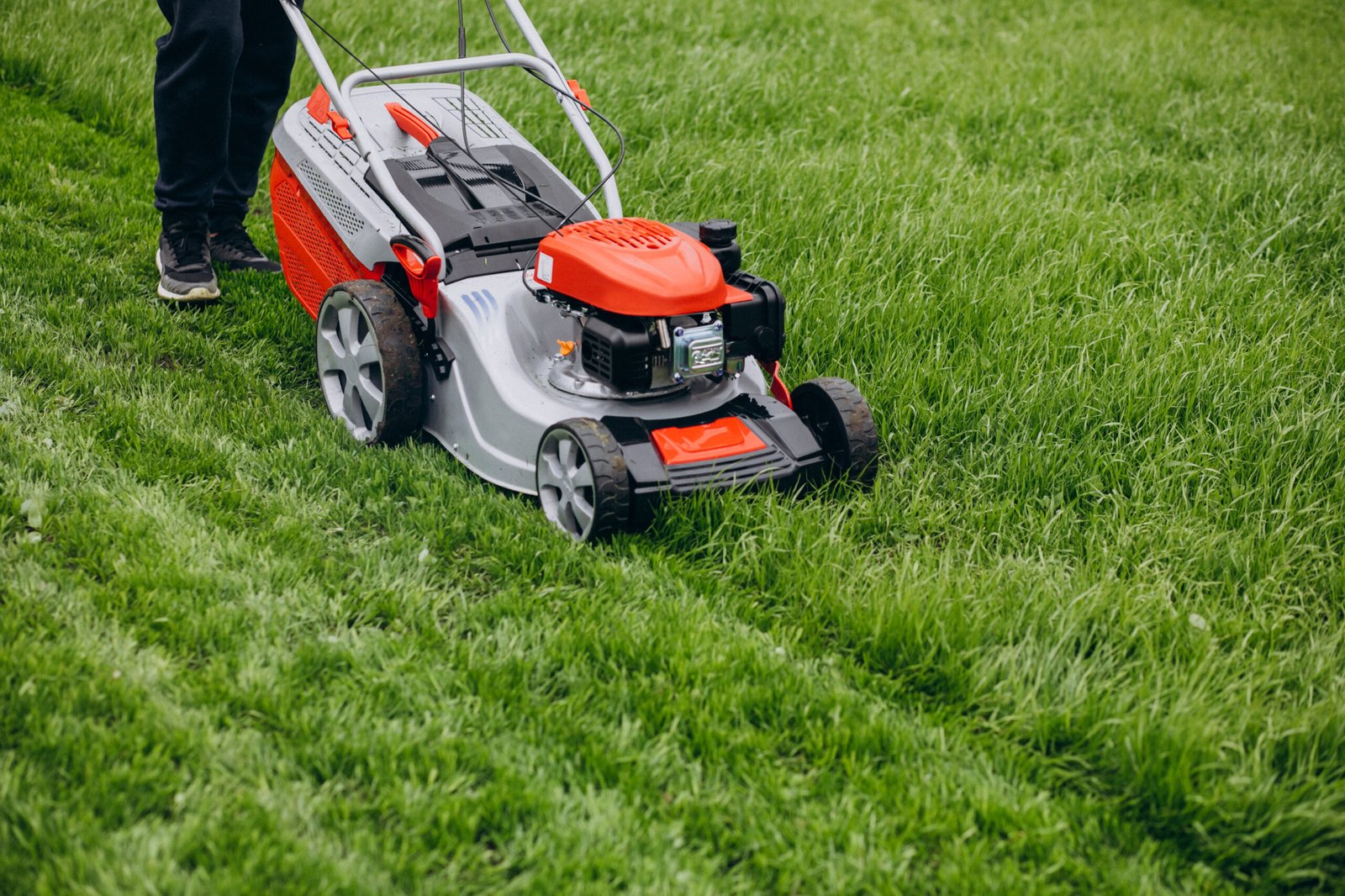
High mower deck settings protect grass roots from heat stress. Tall grass blades shade the soil surface and keep valuable moisture near root zones longer. People notice greener yards when mowers leave grass three inches tall.
People also need seasonal lawn maintenance in Stamford, CT, to monitor pest problems. Chinch bugs and grubs damage root networks during warm months. Quick spot treatments stop insect damage before dead brown patches spread.
Soil Aeration and Dethatch Details for Local Grass
Connecticut soil contains heavy clay deposits. Compacted soil starves grass roots of needed nutrients. Core aeration removes soil cores to open airflow. Dethatching work removes dead grass stems near the soil surface. Thin thatch layers allow fertilizer to soak down fast. You build healthier lawn root structures when technicians aerate and dethatch every autumn.
Fall Leaf Removal Window (Late October through November)
Fall brings red and yellow leaves to local streets. Large oak trees and maple trees drop thousands of leaves across residential properties. These leaf piles look nice for a few days, but leaves create severe risks for grass health.
Late October through late November serves as the primary window for fall service. You must arrange leaf and debris removal in Stamford, CT, before the first snow falls. Heavy leaves block sunlight and trap moisture against grass blades. Wet leaves create dark, damp conditions where snow mold thrives.
Cold autumn winds blow leaves across driveways and garden beds. Thick leaf blankets rot under rain. Rotted leaves kill grass spots completely by early spring. You prevent costly lawn repair bills when you clean your yard before the winter freeze.
Essential Steps for Fall Property Prep
Fall clean visits require heavy equipment and structured work. Crews blow leaves out of dense shrub beds. Workers rake leaves off the main turf areas into clean piles. Heavy vacuum trucks haul leaf waste away from your site.
Final lawn cuts happen in late November. Experts drop mower deck heights slightly for this last cut. Short grass prevents snow mold growth under winter snowdrifts, and tall grass falls over and mats down under snow weight.
Fall fertilization feeds root systems through cold months. Roots store food supplies all winter long. Potash applications strengthen plant cells against freezing weather. You enjoy early green grass in April when you fertilize the roots in November.
Protecting Landscape Beds and Garden Bushes
Seasonal property work involves more than basic grass care. Garden beds need mulch touch-ups in spring to suppress spring weeds. Workers cut back dead perennial stalks before winter cold sets in. Trimming work on overgrown shrub branches keeps bushes full and shapely. People love the nice garden borders when crews care for plants along the lawn edges.
Power of Combined Seasonal Clean-Up Services
Property care requires year-round commitment. Spring work removes winter damage. Fall work prepares turf for winter rest. Combined spring and fall yard clean-up in Stamford protects your outdoor investment across both major transitional seasons.
People who combine spring and fall programs save money over time. Single visits often cost more per hour due to initial setup time. Scheduled seasonal care keeps property conditions stable year-round.
Regular seasonal care protects home foundation walls as well. Heavy leaf piles trap water against house foundations. Excess water creates damp basement risks during heavy autumn rains. Clean yard perimeter areas to keep water away from your home.
How Stamford Weather Affects Yard Clean-Up Timing?
Connecticut weather changes from year to year. Warm springs arrive early in some years. Snow melts fast in mid-March during warm weather cycles. Late winters bring snowstorms into early April during cold cycles.
You must watch soil temperatures rather than calendar dates alone. Soil thaw marks the true start of spring property care. Soil freeze signals the end of fall leaf collection. Local crews watch these weather markers closely to schedule visits.
Early autumn frosts speed up leaf drops from large trees. Oak trees lose leaves later than maple trees. You often need two separate fall visits to clear all tree species completely. First visits collect early maple leaf drops in October. Second visits clear late oak drops in late November.
DIY Property Care vs Professional Yard Clean-Up
Some homeowners try to manage property cleanup on weekends. Manual leaf raking takes hours of hard physical work. Heavy bags of wet leaves strain back muscles. Home leaf blowers lack the power to move wet leaf piles.
Professional crews bring commercial gear to your property. High-power backpack blowers clear thick leaf layers in minutes. Heavy vacuum systems haul leaf waste off-site instantly. You save valuable weekend hours when professionals handle your outdoor work.
Homeowners also struggle with yard waste disposal, as Stamford municipal rules restrict where people can drop leaf bags. Professional companies handle all waste removal and disposal compliance for you.
Environmental Benefits of Proper Yard Debris Disposal
Clearing debris properly protects local town waterways. Leaves washed into street storm drains decompose and release nitrogen into rivers. Nitrogen buildup harms aquatic life in Long Island Sound.
Professional yard services collect leaf matter and transport waste to commercial compost sites. Local compost operations recycle organic matter back into rich topsoil.
Financial Value of Consistent Yard Maintenance
A well-kept property increases home appeal immediately. Clean lawns create strong first impressions for neighbors and buyers. Dense grass prevents soil erosion along hills and slopes during heavy rainstorms.
Neglected yards cost more money to repair later. Weeds invade bare soil patches quickly, and seed work on dead lawn sections costs far more than routine seasonal maintenance. Regular property care protects your budget over long time periods.
Smart homeowners look for affordable yard clean-up services to maintain property value. Reliable service plans cover essential seasonal needs without unexpected fees.
Choose IN & OUT LANDSCAPING for Lawn Care
As a top-rated landscaping company, our team delivers top-quality property care across Stamford. Our experienced team uses commercial gear to clear debris fast. We respect your time and provide clear, upfront pricing. You get dependable service, honest communication, and beautiful property results every single season. Contact us today to book your next lawn clean-up.
Frequently Asked Questions
When should I schedule spring clean-up?
Schedule your spring visit between late March and mid-April, right after the snow melts. Early timing clears winter debris before new grass growth begins.
Why must leaves be removed before winter?
Thick leaf piles block sunlight and trap damp moisture on turf. Trapped water breeds snow mold and kills grass spots before spring arrives.
How many fall leaf clean-up visits do I need?
Most properties need two fall visits. The first visit clears early maple leaves in October, and the second visit clears late oak leaves in November.