

Key Points
- Prune spring flowers right after blooms fade.
- Typically, summer bloomers are trimmed in late winter.
- Keep evergreens shaped during the early summer months.
- Stop all pruning in autumn.
- Maintain sharp tools to prevent plant diseases.
Bushes need regular cutting to stay strong. Cutting branches removes old wood. This process lets sunlight reach the middle of the plant and helps new leaves grow. Air flows through a clean bush and prevents mold. Damp air causes leaf spots.
Regular cutting also controls the size of your plants, as uncut bushes block windows and grow over sidewalks. You must control growth as proper cutting shapes the plant. People love beautiful yards with lively bushes. However, lawn care requires time and effort. This guide teaches you the correct schedule for your yard.
Identifying Your Shrubs
Write down the name of every plant in your lawn. Look at when the plant flowers. Do flowers arrive in spring? Do flowers arrive in August? Some bushes do not flower.
As the name highlights, evergreens stay green for 12 months. Deciduous bushes lose leaves in autumn. Each plant group needs a unique schedule. You can group your plants by flowering time. This division keeps yard work simple.
Spring Bloomers
Spring-blooming plants include azaleas and forsythia. They grow flowers on old wood, which means branches grew during the previous year. The plant spends the summer growing new stems. Buds form on these stems during autumn.
The buds sleep through the winter and open in spring. If you cut these bushes in winter, you lose spring flowers. You cut off the sleeping buds. People often make this mistake and cut lilacs in February. Then they wonder why the lilacs do not bloom in June.
The best time to trim shrubs in Westport, CT, depends on this blooming schedule. For spring bloomers, wait for the flowers to die. Cut the branches in June and the stems after the blossoms fade. This quick action gives the plant maximum time. The plant grows new wood during the summer. New buds form on this wood, and you get beautiful flowers the next year.
Summer Bloomers
Butterfly bushes and hydrangeas are the summer-blooming plants. They grow flowers on new wood. The plant wakes up in April and grows new stems. Flowers grow on the tips of these new stems in July or August.
You have to prune summer bloomers in late winter. February and March are the ideal months, as the plant has no leaves. You see the entire skeleton of the bush, and spot crossed branches easily.
Pruning in late winter stimulates new growth. You will notice more branches and flowers in summer. People schedule shrub trimming in Westport, CT, during these cold months. Winter pruning prepares your yard for a colorful summer. Your summer bushes will look full and healthy.
Maintaining Evergreen Shrubs
Common examples of evergreens are boxwood, yew, juniper, and holly. They do not produce showy flowers. People love evergreens for their solid shapes. They create green walls and hide ugly views. They need trimming to stay tight and neat.
You should trim evergreens in late spring. Wait for the new spring growth to expand, as this growth looks bright green and soft. Trim the tips after this growth stops stretching. Late June works best.
People often do it a second time in July to keep the shape perfect. Never trim evergreens in late autumn. Cold weather arrives fast. Cold temperatures can damage freshly cut branches that have not yet healed. The green leaves turn brown and die. Keep your shears away from evergreens after August.
Why Autumn Pruning Hurts Your Yard
Autumn weather feels perfect for outdoor chores. Cool air makes physical labor easy. People spend time cleaning up the leaves and debris. However, you should not prune in this season.
The plant thinks spring has arrived and sends sap to the cut areas if you trim in autumn. New leaves attempt to grow. Autumn nights bring freezing temperatures, and this frost kills the tender new growth instantly.
The freeze travels down the stem, and this damage weakens the entire bush. The plant wastes energy on bad growth. The plant enters winter in a weak state and may die during heavy snowstorms. Keep your tools clean and dry in October and November.
Rejuvenation Pruning for Overgrown Bushes
Sometimes people ignore their yards for years. The overgrown plants need severe cutting, and this process is known as rejuvenation pruning.
You have to perform rejuvenation pruning in late winter. Do this work in January or February. Cut the entire bush down close to the ground. Leave only twelve inches of stems. This hard cut sounds scary. Most healthy deciduous shrubs survive this process.
The plant sleeps during this time, and the roots hold lots of energy. When spring arrives, the roots send energy up. New shoots erupt from the base, and the bush rebuilds in one season. This extreme method does not work on evergreens. Evergreens do not grow back from old wood. Only use this method on deciduous plants.
Tools for Successful Yard Work
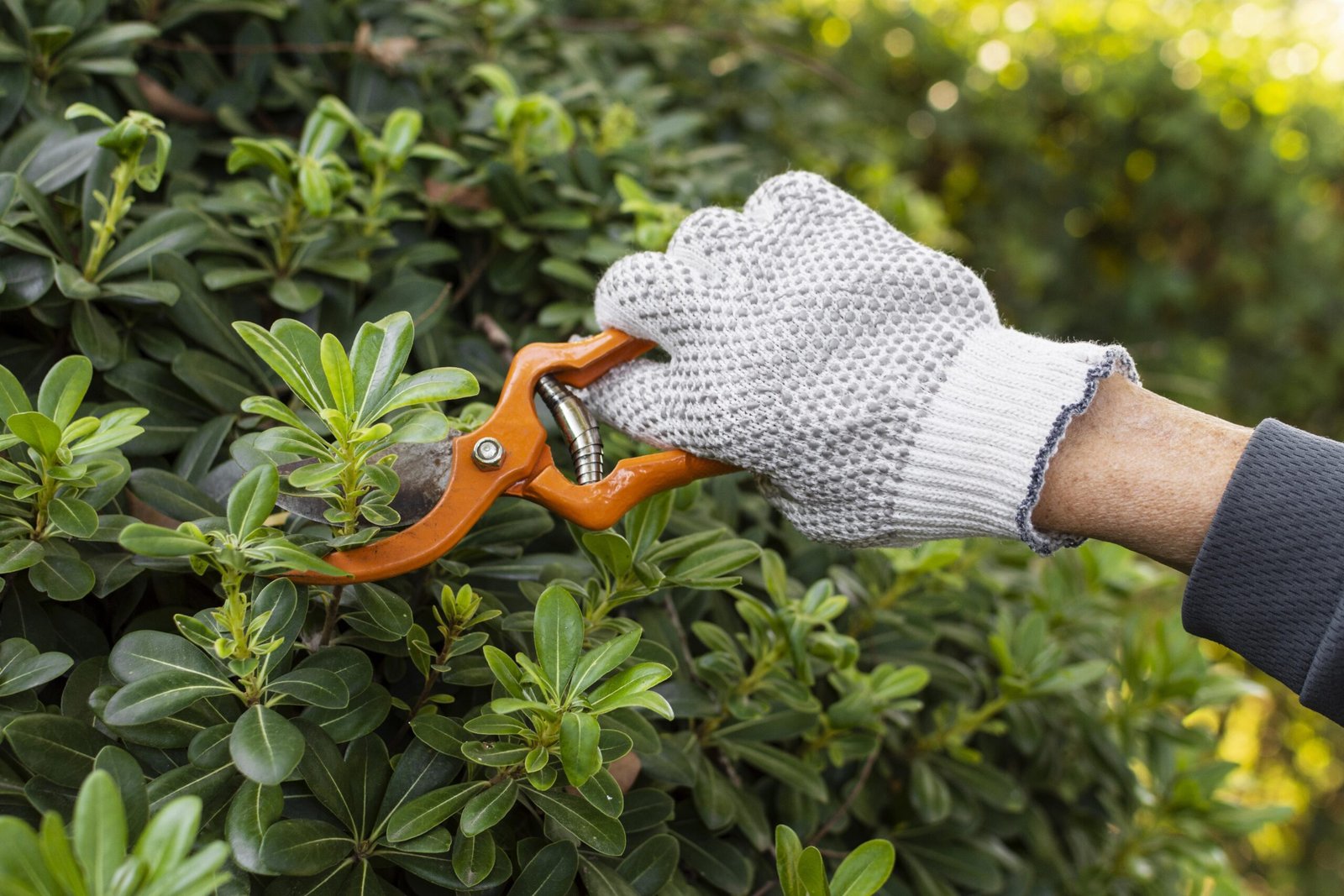
You need the correct tools for shrub pruning in Westport, Connecticut. Using the wrong tools damages plants. Keep your tools sharp, as they make clean cuts. Clean cuts heal fast.
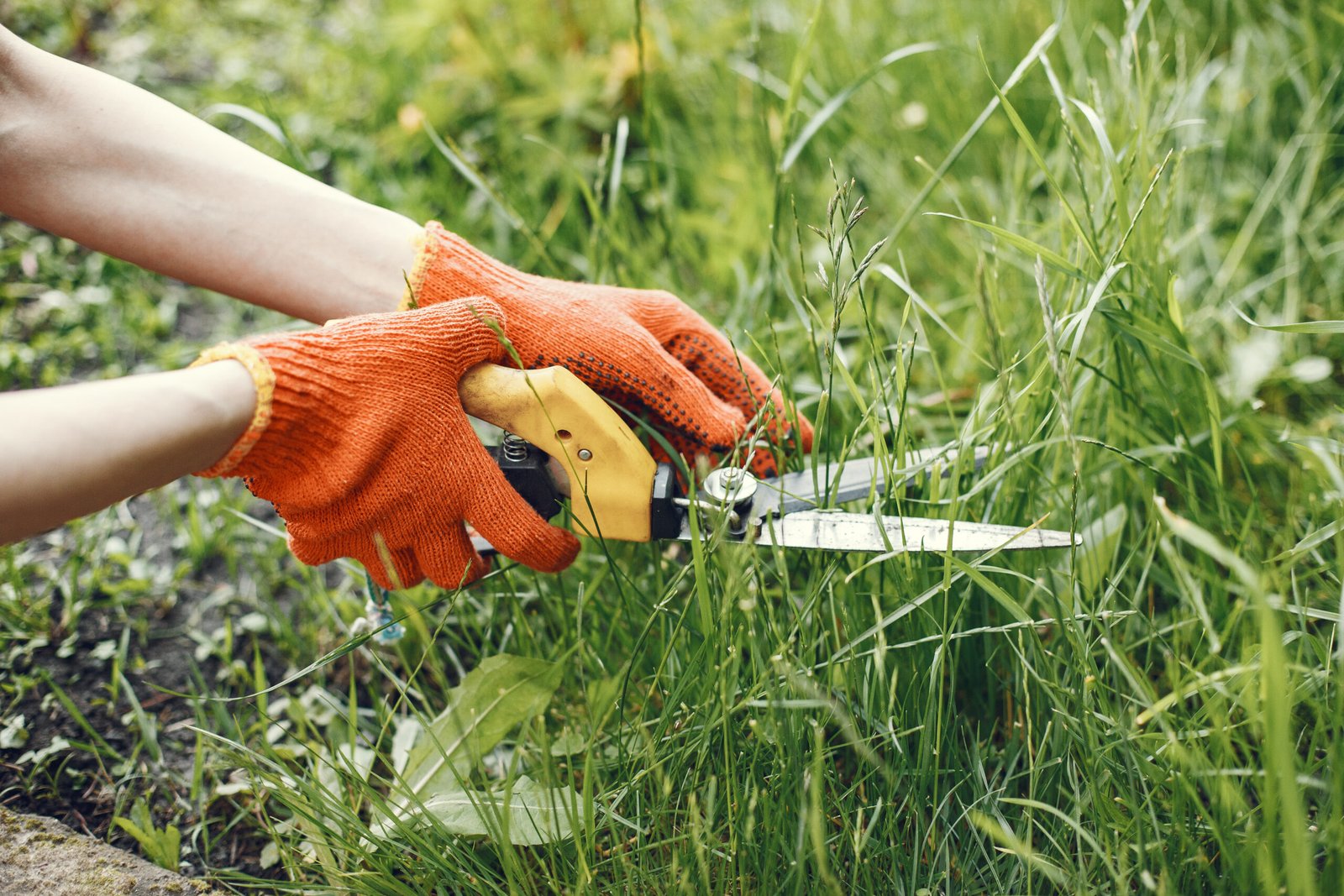
Hand shears work for thin twigs. You have to buy shears suited to your grip. Loppers have long handles that give you leverage. Use loppers for branches up to two inches thick.
Pruning saws cut thick branches. Never use a dull saw, as it can break and harm the plant. Clean your tools because diseases spread among plants. Clean the blades after you finish each bush. This simple step protects your entire yard. You can also learn about common lawn mowing mistakes.
The Three-Step Cutting Method
You should follow a simple three-step rule. This rule works for every bush. For step one, remove dead wood. Dead wood looks dry and brittle. For step two, remove damaged wood. Storms break branches, and heavy snow bends stems. Cut these damaged pieces off.
For step three, remove diseased wood. Look for black spots on stems and leaves. Cut these pieces and throw them in the trash. Do not put them in your lawn, as the disease can spread.
How Westport Weather Changes Your Schedule?
Westport has unique weather as the town sits on the coast. The water keeps temperatures slightly warmer than in northern towns. Spring starts a bit earlier here. Winter storms bring heavy, wet snow that can break branches.
People plan seasonal shrub care in Connecticut with these factors in mind. Watch the local weather. Do not prune when the forecast predicts a deep freeze. Wait for dry, sunny days. Dry weather prevents mold from entering open wounds. The coastal humidity helps plants grow fast.
Professional Yard Care
Regular cutting takes time. You have to work for long hours because big yards require hours of labor. Proper landscape maintenance in Westport protects your property value. Neat yards increase home prices.
Healthy plants make your home beautiful. Hiring professionals ensures the work gets done correctly, as they have commercial tools. They know the species in your yard and complete the work quickly and safely.
Trust IN & OUT LANDSCAPING to handle all your plant care needs in the local area!
Frequently Asked Questions
When do I trim boxwood bushes?
Trim boxwoods in late spring. June is the ideal month. This timing lets the new leaves harden before winter.
How do I fix a lopsided bush?
Cut back the long side slowly over two seasons. Do not cut all the branches at once. Let the short side catch up.
Why did my lilac fail to bloom?
You pruned the bush at the wrong time. Cutting lilacs in fall or winter removes the spring flower buds.