

Performing lawn cleanup, trimming, and mowing this weekend? That’s good. But what about the weeds that spread to the whole lawn the next day and ruin your effort? Weeds appear and spread quickly. Many homeowners use chemical herbicides to manage weed attacks, but they can harm soil health and plant growth. Don’t worry; there are natural weed control methods that keep your yard healthy and weed-free in Fairfield, CT. You can also learn from our lawn care guide for homeowners in Fairfield County, CT.
Why Are Weeds So Common in Connecticut Yards?
Fairfield has humid summers and cold winters. These seasons are suitable for grass growth and also perfect for weed spread. That’s why you often struggle with weed control. Another reason is compact soil. Connecticut has clay soil that blocks root growth, but weeds can easily survive here. Empty spots in the lawn or poor drainage also contribute a lot to the weed problems.
Common Weeds in Fairfield County
Know your lawn’s enemy before choosing a treatment. Let’s look at the most common weeds found in your county.
- Dandelion
- Crabgrass
- Clover
- Ground ivy
- Plantain
Best Eco-friendly Weed Control Methods for Fairfield Lawns
Chemical weed sprays can affect soil health, plant growth, and mostly don’t work. So, organic weed treatment is a reliable way to treat weeds in your yard.
Hand Pulling
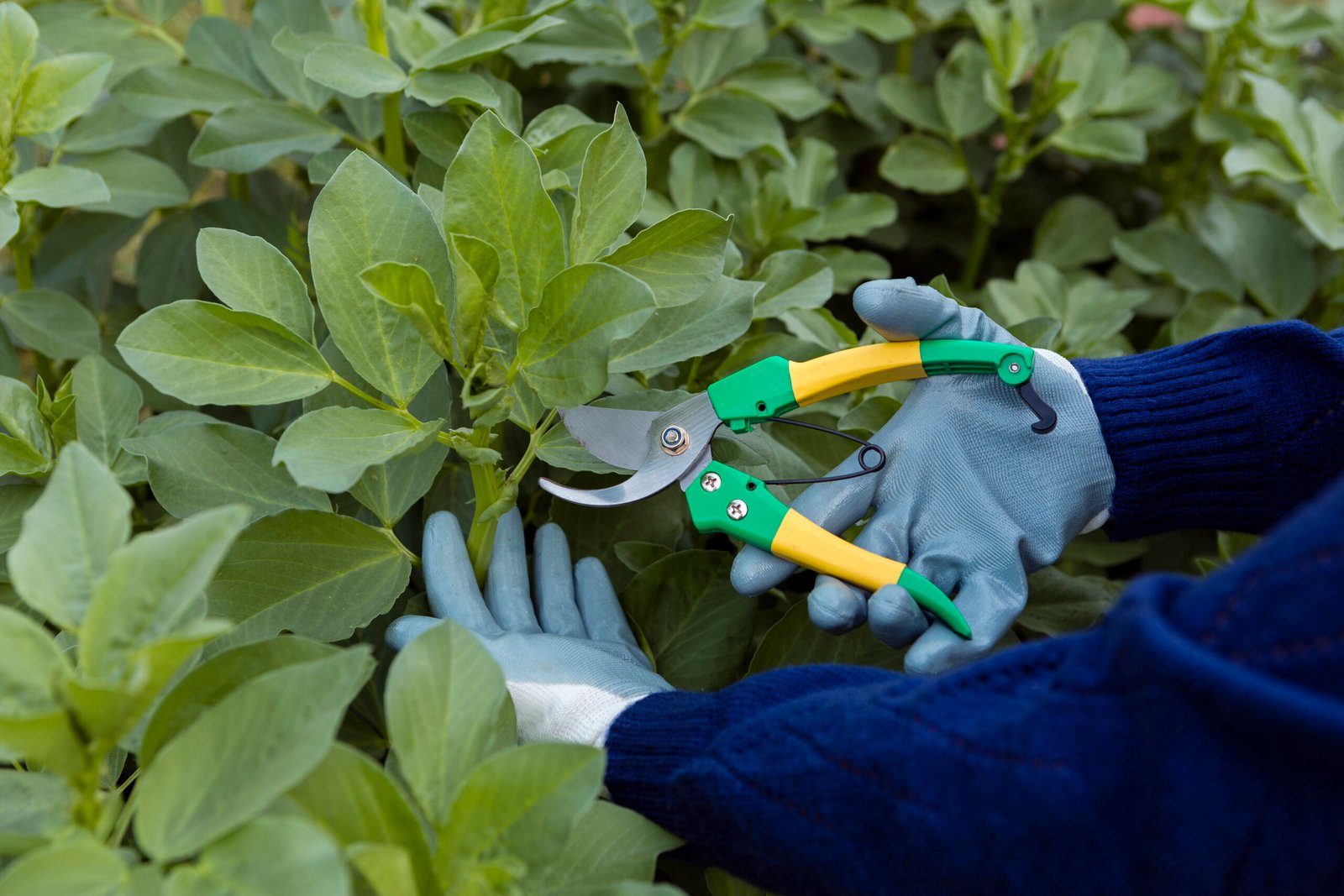
Hand pulling is an effective method to control garden weeds. Hold the weed at the base and pull it out slowly with the root. You can also use a fork to remove stubborn weeds. This process works best after rain, when the soil is wet.
Boiling Water
Weeds in cracks of hardscaping surfaces are hard to remove. You can use boiling water to get rid of them. Boil a kettle of water and pour it on the weed plants. They will die quickly. Remember, you cannot use this weed control method on the lawn because it can damage the grass.
Vinegar Solution
Vinegar is another natural way used for weed control. It contains acetic acid that absorbs moisture from plant tissues and quickly damages them. You can use regular vinegar on young weeds and horticultural vinegar for tough weed plants. Spray it directly on leaves on a summer day for effective results.
Salt Treatment
Found weeds in patio cracks or driveways? Salt treatment is the best way to remove them. Make a mixture of salt and water with a 1: 2 ratio; spray on the weed plant. It may turn brown after application and will die in a few days. Use this method carefully because salt stays in the soil and can affect future plant growth.
Flame Weeding
Intense heat is used in the flame weeding method to control weed spread. A propane torch damages the plant’s cells and lets the weed dry out. Flame weeding is a useful treatment for young weeds. Just make sure you don’t use a propane torch near mulch, dry grass, or other flammable materials.
Vodka Spray
You read that right, vodka also helps with weed removal. Use a funnel to add vodka into a spray bottle. Go to the lawn where weeds are growing. Apply vodka to the whole weed body on any sunny day. Alcohol works best in sunlight and will burn the weeds. Then just pull out the dead weed plants and clear the lawn.
Borax
When nothing works, borax does. It is a mineral compound that is used to remove different weed species. You can use it with water, but borax also gets absorbed in the soil and may affect soil health. So use it properly.
How to Prevent Weed Growth from the Beginning
Weeds grow in empty lawn space or hard soil. You can stop most weeds before they appear through covered and healthy soil.
Mulching
Mulching is another good way to prevent weeds. It keeps the soil wet and reduces sunlight access to weed seeds. So they die in the early stage.
Dense Planting
Install different plants close to each other. It covers the soil below and blocks sunlight. So there is less space left for weeds to grow. You can plant clover or creeping thyme because they grow fast and naturally prevent weed spread.
Soil Solarization
Cover the soil surface with plastic sheets during summer weather. The sun warms the soil under plastic, which kills weed seeds, pests, and other harmful organisms.
Corn Gluten Meal
Corn gluten meal is made from corn. It helps stop weeds when they start to sprout. You can use corn gluten meal to prevent crabgrass and dandelion weeds. It works best.
Mowing
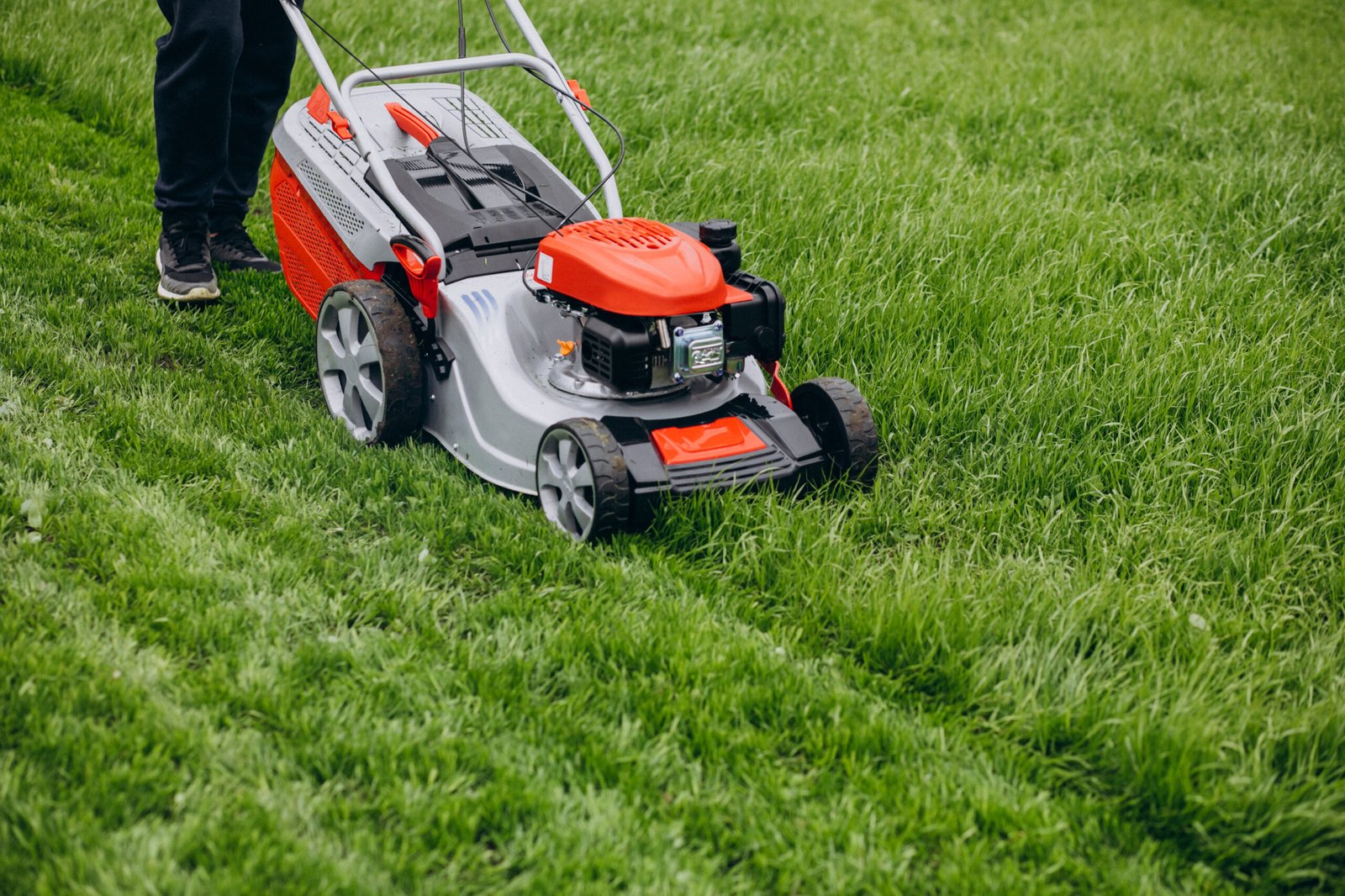
Mow high to maintain grass at a tall height. Tall grass covers the soil and makes it difficult for weeds to spread. Mowing is a simple habit, but it can make a big difference in Connecticut lawn weed control throughout the growing season.
Final Thoughts
There is no one solution for weed control. You can combine different methods and use them with regular lawn care. These chemical-free weed treatments are safe for lawn health, pets, and kids.
You can also call In & Out Landscaping for professional weeding and mulching services in Fairfield, CT. Our team uses industry equipment and methods to remove weeds properly. Weed removal is part of our complete tree care services that we offer in Fairfield County to keep your landscape healthy in all seasons.
Frequently Asked Questions
Are natural weed killers safe for children and pets?
Yes. Most chemical-free weed control methods are safe for both pets and kids.
What is the quick, natural way to control weeds in my lawn?
The quick method for weed control is a vinegar solution and boiling water for small lawns. Corn gluten meal is a reliable treatment for large lawn areas.
How to remove crabgrass in the yard?
Take action before crabgrass grows. Apply corn gluten meal in the spring season before crabgrass starts growing. If it has begun growing, pull it right away to prevent new weeds from spreading.
What is the right time to apply weed treatment?
Spring and fall are effective times to apply any weed control treatment.
Do weeds regrow after we pull them?
Yes. Weeds can grow out again if you don’t remove them properly. Perennial weeds have deep roots and stems. So they can easily grow back if you remove only the visible part.
Can I use baking soda to control weed spread?
Yes. You can use Baking soda to kill young, soft weeds, but it is not effective for properly established weeds. Also, its excessive use can increase the sodium levels in soil, which can harm grass.