


Key Points
- Remove dead leaves and sticks in spring to prevent lawn suffocation.
- Water your grass deeply a few times a week instead of daily sprays.
- Raise your mower blades during hot weather to protect the soil.
- Put down fresh grass seed and food in the fall to fix thin spots before winter.
- Work with a local yard pro to save your weekends and get a truly thick lawn.
You must already know that a beautiful yard changes how you feel about your home. A beautiful lawn is a safe area for your kids and pets to play. It raises the value of your property. It welcomes your guests before they even step inside your front door.
Still, our local weather near the water brings some real challenges. The winter and summer seasons in Connecticut are harsh. You simply cannot treat your grass the same way in July as you do in April. This simple guide breaks down exactly how to care for your yard month after month.
Spring Lawn Care in Norwalk, CT
Clean Up the Leftover Winter Mess
When the snow finally melts in March and April, you need to head outside. Walk around and check your grass. The cold winter weather packs the dirt down tight. It also leaves a thick layer of dead grass, old roots, and leaves on top of your lawn. People call this layer thatch.
The thatch gets thick and blocks the entry of air and good nutrients into the soil. You need a strong rake to remove the old leaves and small twigs. Raking wakes up your yard. It helps new green blades grow. It also prevents nasty lawn mold from growing in the wet, chilly ground.
You also need to clear away any remaining items on the grass:
- Pick up heavy fallen branches from winter storms.
- Rake away piles of grit left behind by street snowplows.
- Scoop up leftover piles of soggy fall leaves in dark corners.
Check Your Soil and Feed the Roots
After you clean the surface, you need to check what is happening under the ground. The soil here in Fairfield County often gets highly acidic over time. You can buy a cheap soil test kit at a local store. You can also send a scoop of dirt to an expert.
The grass cannot survive in acidic soil. You cannot fix this problem with an expensive fertilizer. The only solution is to spread lime pellets on the lawn. Lime balances the soil so your grass roots can grow big and strong.
Late spring is the perfect moment for your first light yard feeding. Purchase a fertilizer that feeds your grass slowly. This gives the plants a steady diet. Fast-feeding products cause a sudden growth spurt. That sudden spurt actually leaves your grass weak and prone to bugs.
Stop Crabbing and Weeds Early
If crabgrass ruined your yard last summer, spring is your chance to stop it. You must put down a pre-emergent weed blocker. Put it down before the dirt temperature stays above 55 degrees for a few days in a row. This treatment forms an invisible shield across your soil.
When those annoying weed seeds try to open up, the shield stops them right away. Just remember that you cannot plant new grass seed at the same time. The weed blocker will kill your good grass seeds, too. You can also get lawn cleanup services in Norwalk, CT.
Summer Lawn Maintenance in Norwalk, CT
Better Watering Habits for Hot Months
July and August bring serious heat waves and dry weeks to our town. People often run their sprinklers for merely ten minutes every day. It keeps the grass at the surface wet but never reaches the deep soil. It forces the roots to stay right at the surface. Your grass will burn soon.
Your yard wants about one inch of water across the whole week. You can use these simple tools to track your water use:
- Set out empty tuna cans around the yard.
- Run your sprinklers for twenty minutes.
- Measure the water depth with a ruler.
- Adjust your timer until the cans fill to one inch.
Raise Your Mower Blades
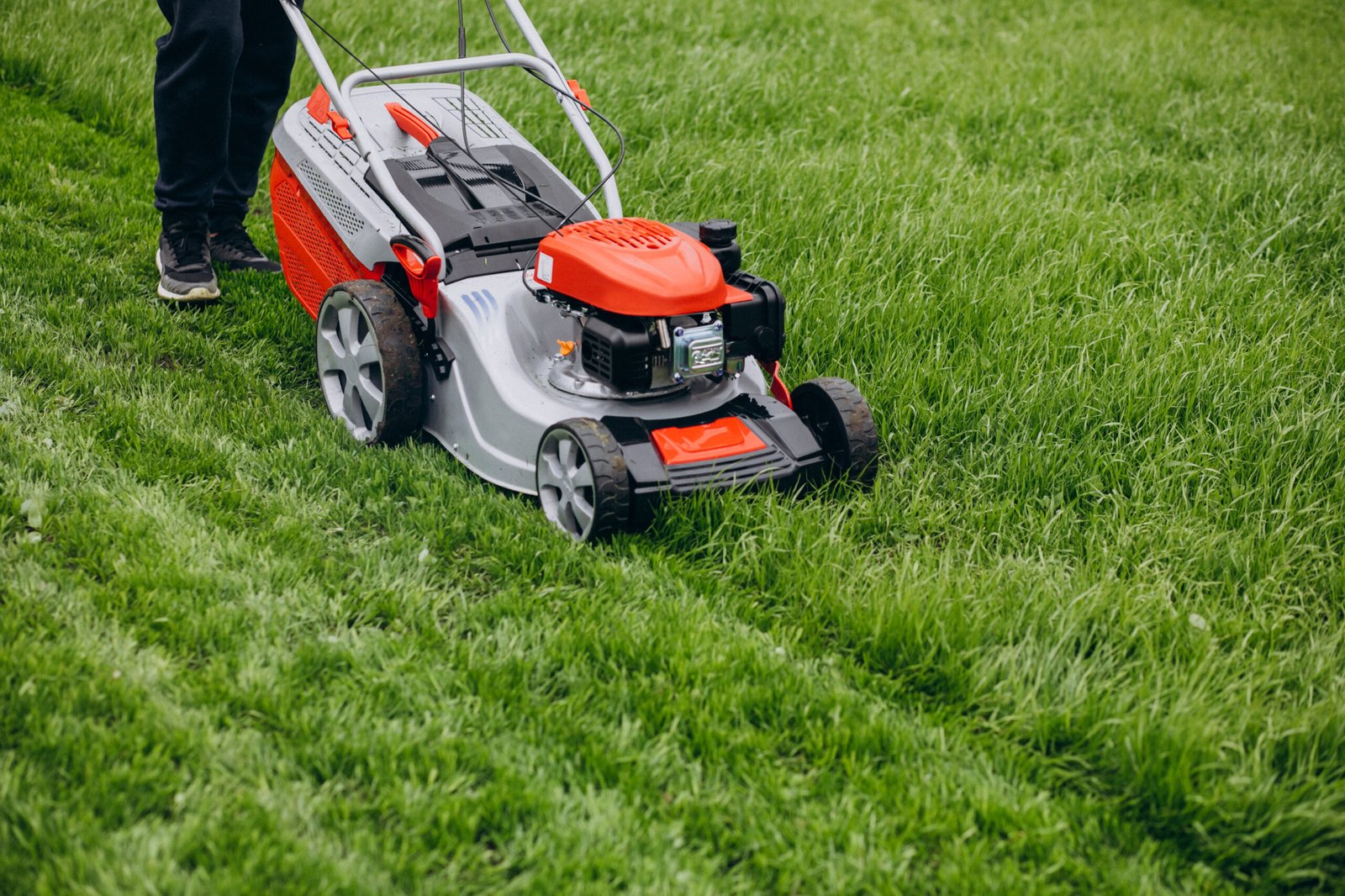
You have to change your lawnmower settings when the summer heat arrives. Many people cut their grass way too short, but it stresses the lawn. It lets the sun bake your soil directly.
The hot sun evaporates all the moisture. It gives weed seeds the light they need to take over your yard. You should keep your grass around three to three and a half inches tall all summer.
Watch Out for Summer Bugs and Dormancy
Did you notice brown patches that you can roll up easily? This is a grub problem. You can buy safe treatments to clear them out before they ruin the whole yard.
If we go weeks without rain, your lawn might stop growing. It might turn yellow or brown. Do not panic. Your grass is just going to sleep to protect itself from the heat. Avoid throwing fertilizer on a sleeping lawn to force it to turn green. That can shock and kill the weak roots.
Fall Lawn Maintenance
Poke Holes in Hard Soil
September and October are the absolute most important months for year-round lawn care and aeration in Norwalk, CT. Your soil gets packed down like concrete after a busy summer. Lawnmowers, family barbecues, and kids playing outside all stomp the ground.
Hard dirt suffocates your grass roots. Air and water simply cannot pass through it. To fix this, you should look into core aeration. Use an aerator to open holes for the entry of oxygen, water, and food into the soil.
Plant New Seeds and Fall Food
After you poke holes in the lawn, throw high-quality grass seed over the whole yard. People call this overseeding. It patches up your bare spots. A thick lawn leaves zero room for weeds to pop up next spring.
You also need to put down winterizer fertilizer late in the fall. Spring food focuses on making green leaves. Fall food focuses entirely on making strong roots. Your grass stores these good nutrients in its roots all winter long. This helps your yard survive the deep freeze. It will wake up incredibly green when spring returns.
Winter Lawn Care Rules
Pick Up Toys and Heavy Gear
Your yard work does not completely end when the grass stops growing for the year. You should do one last walk around the yard before the first big snowstorm hits. Pick up all outdoor toys, patio chairs, and big tree branches.
Be Careful with Snow Piles and Salt
Shoveling massive piles of heavy snow can cause a disease called snow mold. This fungus grows under the cold snow. It leaves pink or white slimy patches on your grass when the spring melt happens.
You can protect your turf from sidewalk clearing with a few easy habits:
- Avoid tossing heavy chunks of ice onto the turf edges.
- Use calcium chloride ice melts instead of rock salt.
- Place tall stakes along the driveway.
Conclusion
Do you want a great lawn without spending all your free time working on the lawn? You can always hire a professional lawn care company in Norwalk, CT. The IN & OUT LANDSCAPING CT team is passionate about beautiful lawns. We help local homeowners get the green grass they’ve always wanted. Get in touch with us today!
Frequently Asked Questions
How often should I water my lawn?
You should water your yard two or three times a week. Make sure your grass gets a total of one inch of water so the roots grow deep.
When is the best time to plant grass seed?
You have to plant seeds in late summer and early fall. The atmosphere helps the seeds grow fast and build strong roots.
Why should I hire a local landscaping company?
Local teams have good knowledge of soil types and weather changes. They use professional tools and correct products for a beautiful lawn.